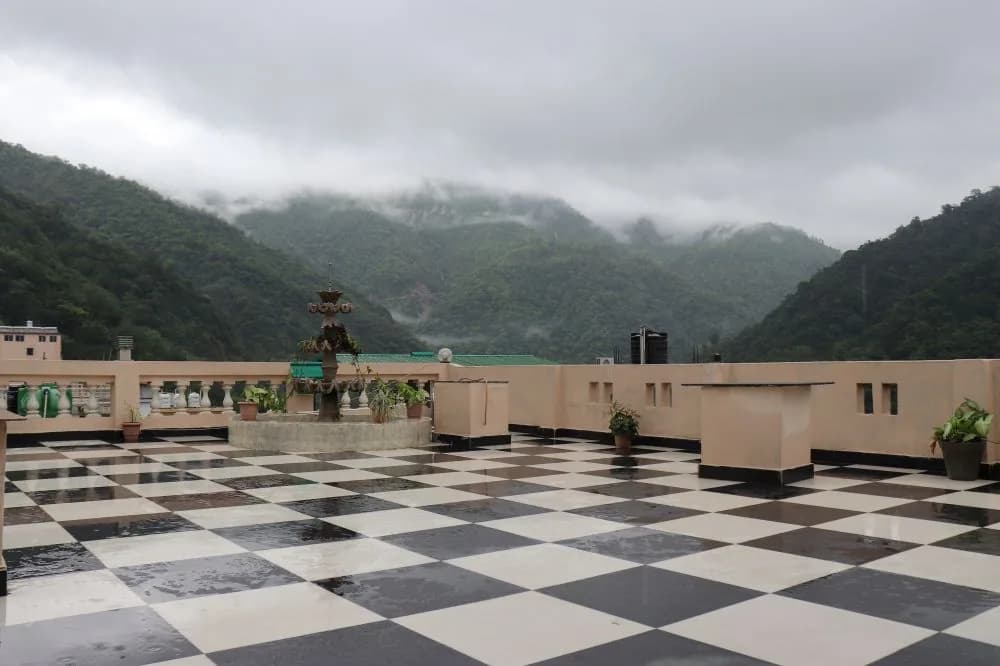
Yoga Retreat in Rishikesh: A 7-Day Itinerary
A day-by-day look at a 7-day yoga retreat in Rishikesh — daily schedule, what to pack, what to expect, and why it might be the reset you need.
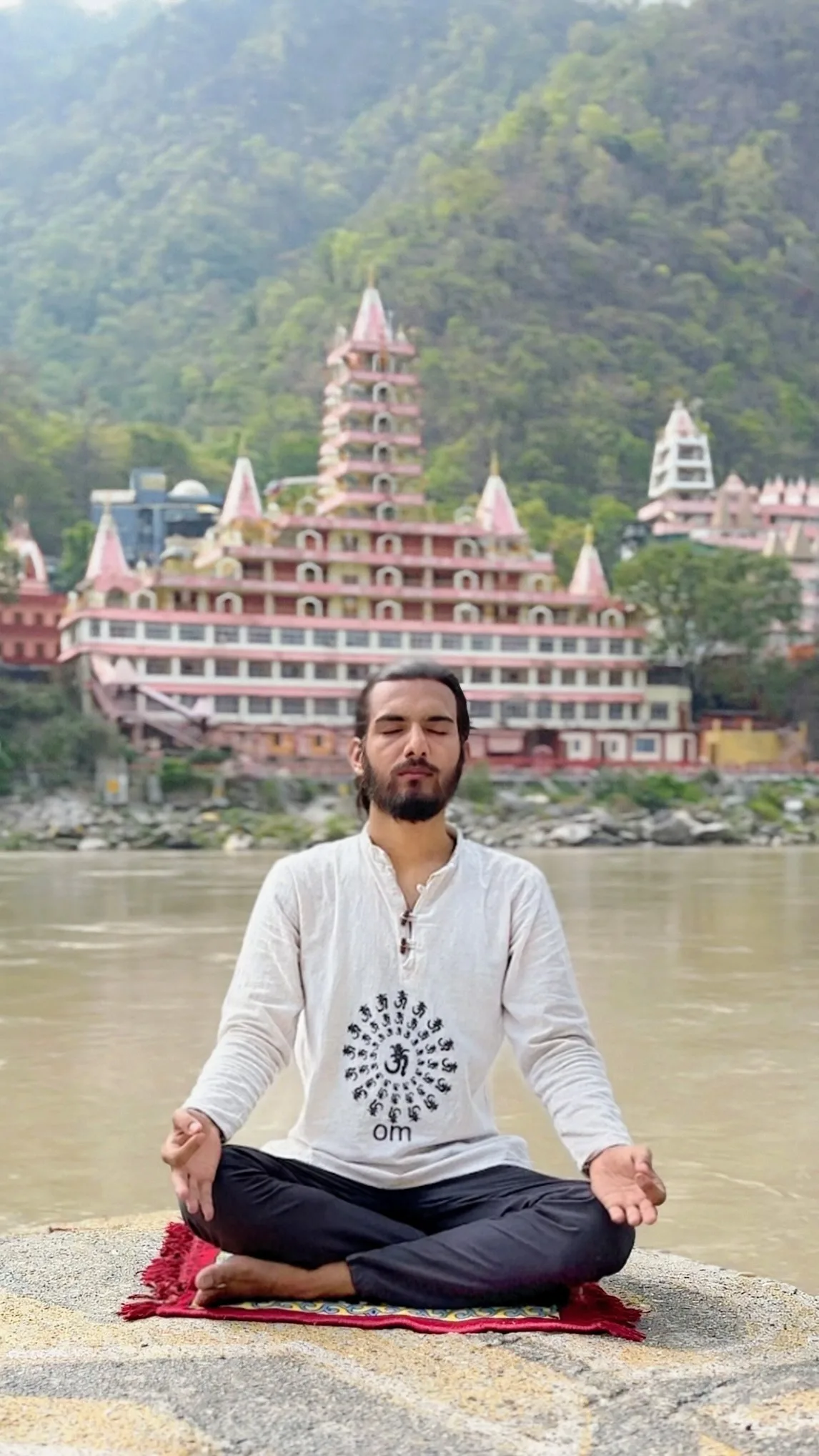
Sudhanshu Badoni
Main Teacher · Lead FacultyMain teacher at Deep Yoga, Tapovan. Runs the YogaAsana YouTube channel (4K+ subs). · 12 yrs teaching
TL;DR
A 7-day yoga retreat in Rishikesh runs on a fixed daily rhythm — pre-dawn pranayama, two asana sessions, philosophy and meditation, sattvic vegetarian meals — usually $400–$1,200 USD all-in for accommodation + food + classes.
- Schedule: 5:30 AM bell, classes 6:30–9:30 AM and 4:30–6:30 PM, lights out by 9 PM
- Best months: October–April (warm days, cool mornings, no monsoon)
- Visa: 30-day Indian e-Tourist visa sufficient; apply at indianvisaonline.gov.in 2 weeks before
According to Uttarakhand state tourism statistics, Rishikesh hosts more than 100,000 international yoga retreat visitors annually — making it the single largest concentrated yoga retreat destination in the world (Uttarakhand Tourism). The 7-day format is the most common because it fits a single week of leave, costs roughly a fifth of a 28-day teacher training, and still delivers the daily-rhythm reset most travelers come for.
Yoga Retreat in Rishikesh: What 7 Days Actually Look Like (Daily Schedule, Packing List & More)
You have been thinking about it for months, maybe years. A yoga retreat in Rishikesh, the place where the Himalayas meet the Ganges and the air hums with something you cannot quite name. But what actually happens when you get there? What does a week look like when you strip away the Instagram filters and the vague promises of "transformation"?
This is the honest, day-by-day account of what a 7-day yoga retreat in Rishikesh looks like, from the moment your taxi crosses the Lakshman Jhula bridge to the morning you leave with sand from the Ganges still in your shoes.
What a Rishikesh Retreat Actually Is (And What It Is Not)
First, let us clear up a common confusion. A yoga retreat is not a yoga teacher training. Teacher training programs, like a 200-hour YTT, are intensive certification courses that run 4 to 6 weeks. They involve exams, anatomy study, teaching practicum, and structured curriculum. A retreat is something entirely different.
A yoga retreat is a short immersion, typically 5 to 10 days, designed for personal practice and restoration. There are no exams. No textbooks. No pressure to perform sun salutations in front of a room full of strangers while someone critiques your cues. Instead, you wake to the sound of temple bells echoing across the river valley, practice yoga twice a day with experienced teachers, eat simple nourishing food, and have generous stretches of unstructured time to read, walk along the river, or simply sit and watch the mist lift off the water.
Retreats are for anyone. You do not need to be able to touch your toes. You do not need to own a single piece of bamboo-fiber clothing. You just need to want a week that feels different from every other week of your life.
Day-by-Day Itinerary: Your 7 Days in Rishikesh
Day 1: Arrival and Settling In
Most retreats arrange airport pickup from Dehradun's Jolly Grant Airport (DED), about a 45-minute drive through winding roads that climb gently into the foothills. If you are coming from Delhi, the drive takes 5 to 6 hours, and you will watch the landscape slowly shift from flat, dusty plains to green valleys framed by pine-covered ridges.
You arrive, and the first thing that strikes you is the sound. Not traffic, not horns, but water. The Ganges is always there, a constant low roar that becomes the background rhythm of your entire week. You are shown to your room, typically simple and clean with a balcony overlooking the river or the mountains. There is a welcome circle in the evening, a light dinner of dal, rice, and seasonal vegetables, and an early bedtime. Your body is already beginning to recalibrate.
Day 2: Finding Your Rhythm
Your first full day. The morning bell sounds at 5:15 AM, and there is something unexpectedly beautiful about dragging yourself out of bed in the half-dark, wrapping a shawl around your shoulders, and walking to the yoga hall while the sky turns from indigo to rose gold above the mountains. Morning practice is gentle, a slow-flowing sequence that wakes the body without shocking it. After class, chai on the terrace. Real chai, made with fresh ginger and cardamom, served in small steel cups that burn your fingers.
The afternoon session introduces pranayama (breathwork) and a longer asana practice. By evening, your legs ache in that satisfying way that tells you muscles you forgot about have been remembered. Dinner is early, around 7 PM, and by 9 PM the retreat centre is quiet.
Day 3: Deepening the Practice
By Day 3, you have stopped reaching for your phone first thing in the morning. The routine has begun to feel less like discipline and more like relief. Morning meditation by the river, watching the Ganges catch the first light, the water shifting from black to silver to pale green. The asana practice goes deeper today, with more time in each posture, more attention to alignment, more space for stillness.
In the afternoon, there is often a workshop: an introduction to yoga philosophy, a session on Ayurvedic nutrition, or a kirtan (devotional chanting) that you expected to feel awkward but instead felt oddly moving. The evening is free. Some people walk to the nearby markets of Laxman Jhula. Others sit on the rooftop and watch the aarti ceremony lights flickering on the far bank of the river.
Day 4: The Middle Point
Day 4 is often the pivot. The novelty has worn off, the routine is established, and something shifts. People frequently describe this as the day they stop performing their practice and start inhabiting it. The morning practice might bring up unexpected emotion. That is normal. The teachers know this, and they hold the space with quiet skill.
Many retreats schedule a half-day excursion on Day 4: a guided walk to a nearby waterfall, a visit to the Beatles Ashram (the abandoned Maharishi Mahesh Yogi complex, now a beautiful ruin overtaken by trees), or a short trek to a hilltop temple. The change of scenery is welcome, and Rishikesh has an extraordinary ability to surprise you around every corner.
Day 5: Going Deeper
The second half of the retreat often feels different. You are sleeping more soundly than you have in months. Your appetite is sharp and simple. The morning practice is becoming yours, not something you follow but something you feel. There is a longer meditation session today, perhaps 30 to 40 minutes, and you notice that the silence does not feel uncomfortable anymore. It feels like a room you have finally been given permission to sit in.
The afternoon might include a one-on-one session with a teacher, an Ayurvedic consultation, or a therapeutic yoga session tailored to whatever your body is carrying. By evening, the group has bonded in that particular way that happens when people share silence together.
Day 6: Integration
The penultimate day. There is a bittersweet quality to it, knowing that this rhythm you have built is about to end. The morning practice often feels like the best one of the week, everything clicking into place. The afternoon is given over to learning how to take the practice home: how to build a 20-minute morning routine, how to maintain a meditation practice without a bell summoning you, how to eat in a way that sustains the clarity you are feeling right now.
Many retreats include a closing ceremony by the river in the evening. Candles floated on the Ganges, a final chanting session, and that particular quality of gratitude that comes from having given yourself an experience you almost talked yourself out of.
Day 7: Departure
A short, gentle morning practice. Breakfast together for the last time. Exchanging details with people who a week ago were strangers and now feel like something more. The taxi comes, and as you cross back over the bridge, you look at the river one last time. You will carry the sound of it with you for longer than you expect.
What a Typical Day Looks Like: 5:30 AM to 9:00 PM
While every retreat varies slightly, here is the daily structure you can expect at most Rishikesh retreats:
- 5:30 AM - Wake-up bell
- 6:00 - 6:30 AM - Morning tea and optional meditation by the Ganges
- 6:30 - 8:00 AM - Morning yoga practice (pranayama and asana)
- 8:15 - 9:00 AM - Breakfast
- 9:00 AM - 12:00 PM - Free time (rest, read, explore, journal)
- 12:00 - 1:00 PM - Lunch
- 1:00 - 3:00 PM - Rest period (this is non-negotiable in the Indian heat)
- 3:30 - 4:30 PM - Workshop, philosophy session, or nature walk
- 4:30 - 6:00 PM - Afternoon yoga practice (restorative or deeper asana)
- 6:00 - 6:30 PM - Evening meditation or aarti viewing
- 7:00 - 7:45 PM - Dinner
- 8:00 - 9:00 PM - Free time, journaling, or early sleep
The days are full but never rushed. There is a spaciousness built into the schedule that most of us have completely forgotten how to experience.
What to Pack for a Yoga Retreat in Rishikesh
Packing for Rishikesh is simpler than you think, but there are a few things people consistently wish they had brought:
Essentials
- Comfortable yoga clothes - 3 to 4 sets. Nothing fancy. Breathable fabrics that you can move in. Rishikesh is conservative, so cover shoulders and knees outside the yoga hall.
- A warm layer - Mornings and evenings are cool, especially October through March. A fleece or light down jacket is essential.
- A shawl or large scarf - For meditation, temple visits, and wrapping around yourself during evening sessions. You will use this every single day.
- Comfortable walking shoes - The paths along the river are uneven. Sandals for daily use, proper shoes for any treks.
- Insect repellent - Non-negotiable, especially during monsoon and post-monsoon months.
- A headlamp or small torch - Power cuts happen. Early morning walks to the yoga hall are dark.
- Refillable water bottle with filter - Stay hydrated. Do not drink tap water.
- Basic first aid - Rehydration salts, anti-diarrheal medication, plasters, any personal medications.
- Sunscreen (SPF 50) - The mountain sun is deceptive.
Nice to Have
- A journal and pen (your thoughts will be worth capturing)
- A book or Kindle (plenty of downtime)
- Earplugs (temple loudspeakers start early)
- Your own yoga mat if you are particular about this, though most retreat centres provide them
- A small daypack for excursions
Leave Behind
- Excessive electronics. One phone is enough. Consider leaving the laptop.
- Heavy makeup or hair tools. Nobody cares. It is liberating.
- Too many clothes. You will wear the same three outfits on rotation and be perfectly happy about it.
Best Time of Year for a Yoga Retreat in Rishikesh
Rishikesh has distinct seasons, and timing matters:
- October to November (post-monsoon): The best time. The air is clear, the mountains are crisp against blue skies, the Ganges runs full and powerful from the monsoon rains. Temperatures are comfortable, around 20-28 degrees Celsius (68-82 degrees Fahrenheit) during the day, cool at night.
- February to April (spring): Another excellent window. Wildflowers appear in the hills, the weather warms gradually, and the tourist crowds have not yet peaked. March is particularly lovely.
- December to January (winter): Beautiful but cold, especially at night (temperatures can drop to 5-8 degrees Celsius / 41-46 degrees Fahrenheit). Morning practice requires warm layers. The upside: fewer tourists, crystal-clear mountain views, and a quieter energy.
- May to June (summer): Hot in the plains, but Rishikesh stays more moderate than Delhi due to its elevation. Expect 30-38 degrees Celsius (86-100 degrees Fahrenheit). Afternoons can be uncomfortable.
- July to September (monsoon): Most retreat centres close or reduce programming. Heavy rains, leeches on the trails, and the Ganges rises dramatically. Beautiful in its own way, but not recommended for a first visit.
For your first retreat, aim for October, November, February, or March. You will get the best of everything: clear weather, active programming, and the Ganges at its most inviting.
Who Are Yoga Retreats For?
The honest answer: everyone. But here is who tends to get the most from a Rishikesh retreat:
- People who practice yoga casually and want to deepen their relationship with it, without committing to a full teacher training.
- Complete beginners who feel intimidated by yoga studios at home and want to learn in a supportive, non-competitive environment.
- Burnt-out professionals who need more than a beach holiday. A retreat offers structure without pressure, rest without boredom.
- Solo travellers who want the adventure of India without the stress of planning everything alone. Retreats handle logistics, food, and accommodation, so you can focus on being present.
- People going through transitions, whether a career change, a breakup, a health challenge, or simply a sense that something needs to shift. A week of silence, movement, and simplicity has a way of clarifying things.
- Experienced practitioners who want to practice in the birthplace of yoga, study with Indian teachers, and reconnect with the roots of the tradition.
You do not need to be flexible, spiritual, vegetarian, or young. You just need to be willing to wake up early and sit with yourself for a week. Explore our retreat program to see if the dates work for your schedule.
Cost and What Is Included
A 7-day yoga retreat in Rishikesh typically costs between $500 and $1,500 USD, depending on the accommodation level and inclusions. Here is what that generally covers:
Usually Included
- Accommodation (shared or private room)
- Three vegetarian or vegan meals per day
- Daily yoga classes (morning and afternoon)
- Meditation sessions
- Workshops and philosophy talks
- One or two excursions or cultural activities
- Drinking water and herbal tea throughout the day
- Airport or bus station pickup
Usually Not Included
- International flights
- Indian visa fees
- Travel insurance
- Personal expenses (laundry, market shopping, additional excursions)
- Spa treatments or Ayurvedic consultations (sometimes available at extra cost)
- Tips for staff
At the budget end ($500-700), expect shared rooms and basic amenities. Mid-range ($700-1,100) typically offers private rooms with en-suite bathrooms and river views. Premium ($1,100-1,500+) includes spacious private rooms, premium organic meals, additional one-on-one sessions, and sometimes spa treatments.
Ready to explore your options? Enquire about dates and we will help you find the right retreat for your budget and goals.
Frequently Asked Questions
Do I need yoga experience to join a retreat in Rishikesh?
No. Most retreats welcome all levels, from complete beginners to advanced practitioners. Teachers adapt the practice to your body and experience level. If you can breathe, you can do this retreat. The only requirement is a willingness to try.
Is it safe for solo female travellers to attend a yoga retreat in Rishikesh?
Yes. Rishikesh is one of the safest cities in India for solo female travellers, partly because of its status as a spiritual centre (alcohol is banned in the city, and the community is accustomed to international visitors). Within a retreat setting, you are in a supported, structured environment with staff and fellow participants around you at all times. Standard travel precautions apply, but most women report feeling very comfortable and welcomed.
What is the food like on a Rishikesh yoga retreat?
Simple, vegetarian, and surprisingly delicious. Expect traditional North Indian meals: dal (lentil soup), rice, seasonal vegetable curries, chapati (flatbread), fresh salads, and fruit. Many retreats incorporate Ayurvedic principles, meaning meals are designed to be easy to digest and energising. Breakfast is usually lighter, with porridge, fruit, and toast. Special dietary needs (vegan, gluten-free) can usually be accommodated with advance notice. You will eat better than you expect.
Can I extend my stay or combine a retreat with travel in India?
Absolutely. Many people use a retreat as the starting or ending point of a longer India trip. Rishikesh is well-connected by road to Delhi (6 hours), Haridwar (30 minutes by train), and the hill stations of Uttarakhand. A popular combination is a week of retreat followed by a few days exploring Varanasi, Jaipur, or the Himalayas. If you want to extend your stay at the retreat centre, most places will accommodate this if space is available. Enquire about dates and we can help you plan a longer itinerary.
Frequently asked questions
Do I need yoga experience to join a retreat in Rishikesh?
No. Most retreats welcome all levels, from complete beginners to advanced practitioners. Teachers adapt the practice to your body and experience level. If you can breathe, you can do this retreat. The only requirement is a willingness to try.
Is it safe for solo female travellers to attend a yoga retreat in Rishikesh?
Yes. Rishikesh is one of the safest cities in India for solo female travellers, partly because of its status as a spiritual centre. Alcohol is banned in the city, and the community is accustomed to international visitors. Within a retreat setting, you are in a supported, structured environment with staff and fellow participants around you at all times.
What is the food like on a Rishikesh yoga retreat?
Simple, vegetarian, and surprisingly delicious. Expect traditional North Indian meals: dal, rice, seasonal vegetable curries, chapati, fresh salads, and fruit. Many retreats incorporate Ayurvedic principles, meaning meals are designed to be easy to digest and energising. Special dietary needs can usually be accommodated with advance notice.
Can I extend my stay or combine a retreat with travel in India?
Absolutely. Many people use a retreat as the starting or ending point of a longer India trip. Rishikesh is well-connected by road to Delhi, Haridwar, and the hill stations of Uttarakhand. If you want to extend your stay at the retreat centre, most places will accommodate this if space is available.